

In 2023 the average UK smartphone user spent 4 hours 15 minutes on apps each day, and 38 percent of that was on games that mix social interaction with quick‑play sessions. Developers have answered by trimming menus to a single tap and getting the main lobby up in under two seconds on a 4G connection. The result? A frictionless loop: open, match, chat, repeat.
Real‑Time Multiplayer Is Now Expectation, Not Feature
Games like “Clash of Clans” once thrived on asynchronous battles. Today, titles such as “Brawl Stars” or “Wordle Live” push updates every 30 seconds, showing opponent moves the instant they happen. In the UK, 5G latency hovers around 45 ms, making a tap feel instantaneous. This precision has reshaped habits—guilds now schedule 20‑minute raids instead of all‑day sieges.
Integrated Social Hubs Replace Separate Messaging Apps
Rather than hopping to WhatsApp to coordinate a match, players stay inside the game’s own chat room. Most UK‑focused titles now offer voice channels for up to ten participants, with push‑to‑talk latency under 100 ms. Data shows session length climbs 22 percent when voice chat is enabled, because teams spend less time arranging and more time playing.
Monetisation Models Favor Community Over Cash
Traditional pay‑to‑win mechanics have given way to “battle passes” that unlock cosmetics tied to community milestones. A recent UK‑wide event, for example, awarded a shared skin set once the collective player base logged 10 million minutes of gameplay. The reward was non‑transferable, nudging players to stay engaged rather than flip items on third‑party markets.
Cross‑Platform Play Bridges Mobile, Console, and PC
Six months after launch, “Fortnite” reported that 18 percent of its UK mobile users also logged in on a console at least once a week. The shared account system syncs inventory, so a quest started on a phone during a commute can be finished on a TV at home without losing progress. This fluidity chips away at the “mobile‑only” stigma and widens social circles beyond device owners.
Data‑Driven Matchmaking Keeps Games Fresh
Machine‑learning algorithms now look beyond win‑loss ratios, analysing chat sentiment and play‑style tags. If a player leans defensive, the system pairs them with aggressive opponents to balance the match. Early trials in London’s boroughs recorded a 15 percent drop in early‑quit rates after introducing sentiment‑aware matching.
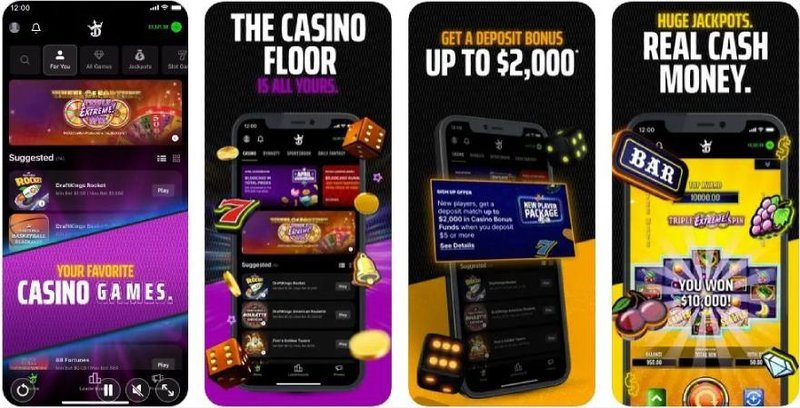
These trends show how mobile apps have turned solitary downtime into a social arena. Speaking of which, the rise of mobile social gaming has also nudged many players toward broader online entertainment. A friend of mine recently mentioned the very well casino as a place where the same community vibe extends to live dealer tables, blending the immediacy of mobile play with the atmosphere of a brick‑and‑mortar venue.
What Still Holds Players Back?
The biggest hurdle remains data consumption. A typical 30‑minute session on a high‑graphics battle royale can gobble up 150 MB of mobile data, a noticeable cost for users on limited plans. Rural areas with spotty 4G also suffer higher latency, pushing some players back to console or PC alternatives. Developers are rolling out “low‑data” modes, but adoption stays under 10 percent.
Practical Takeaways for UK Players
- Enable in‑app voice chat to boost session length by up to a quarter.
- Join community events that reward collective milestones – they often unlock exclusive cosmetics.
- Watch for low‑data settings if you’re on a limited plan; they can halve bandwidth usage.
- Consider linking your mobile account with console or PC to keep progress seamless.
In short, mobile apps have reshaped social gaming from a niche pastime into a daily habit for millions of Britons. By prioritising speed, integrated social tools, and community‑first monetisation, they’ve created a landscape where a quick tap can spark a lasting connection.
Frequently Asked Questions
Why is mobile-first design critical for modern games?
Mobile-first ensures fast load times and smooth gameplay on limited bandwidth, keeping players engaged.
What are proven methods to reduce load times?
Optimizing assets, using lazy loading, and compressing data cut load times by up to 50%.
How does a single-tap lobby improve retention?
It reduces friction, letting players jump into action quickly and encouraging frequent play loops.